TEETH - STRAIGHTENING TREATMENT
SERVICES
RESOURCES
SHOP
MEDICAL CERTIFICATIONS
Certifications ensuring safety, quality, and compliance with global standards.
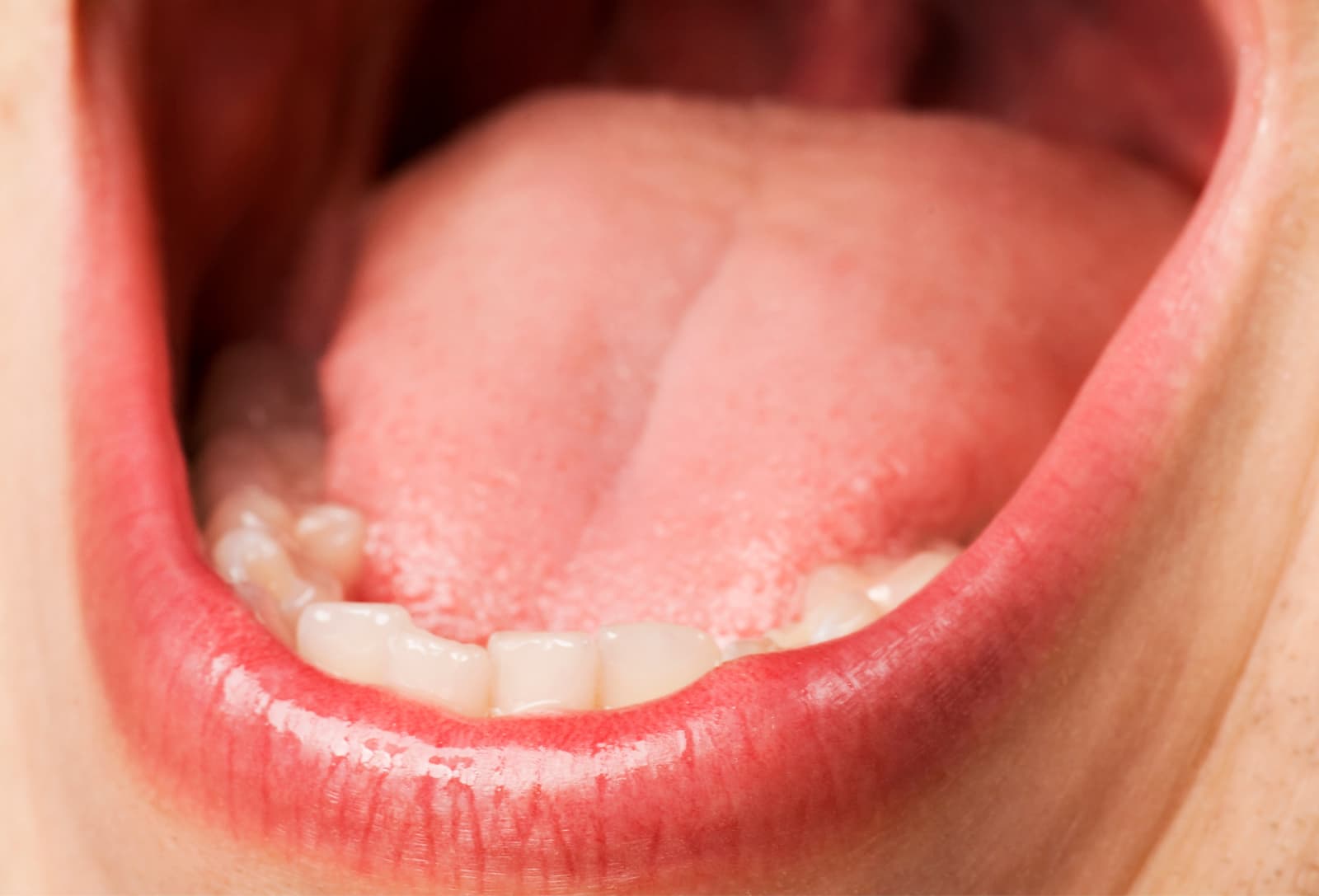
Have you ever woken up with a dry mouth or a scratchy throat? It’s uncomfortable, and sometimes even sipping water doesn’t help much. This condition is known as xerostomia, or dry mouth. It can also make your throat feel dry, especially while sleeping. Here’s what causes it and what you can do about it.
A dry mouth, also called xerostomia, happens when your salivary glands don’t produce enough saliva to keep your mouth and throat moist. It’s usually caused by dehydration, medications, mouth breathing, or certain health conditions.
There are many reasons why your mouth or throat might feel dry. Some are temporary, while others may need medical attention.
Not drinking enough water is one of the most common causes of dryness. Hot weather, exercise, or caffeine can also make you lose fluids faster than you replace them.
If you wake up with a dry mouth, it’s likely because you sleep with your mouth open. This is especially common if you snore or have nasal congestion.
Hundreds of medicines list dry mouth as a side effect — including antihistamines, antidepressants, blood pressure tablets, and painkillers.
Certain health issues can reduce saliva production, such as:
When you’re anxious, your body produces less saliva, which can lead to temporary dry mouth and throat.
Both can irritate your mouth and throat and dry out the soft tissues. Alcohol-based mouthwashes can also make dryness worse.

Many people notice dryness only at night or when they wake up. This usually happens because:
Tips to reduce dryness at night:
If you’re wondering how to treat dry mouth or throat, try these simple remedies and treatments.
If your dry mouth doesn’t improve, your dentist or doctor may:
You should seek medical advice if:
Dryness persists for more than a few weeks.
You have difficulty swallowing or speaking.
Your mouth feels sore or you develop cavities more easily.
Persistent dryness might be linked to an underlying condition like Sjögren’s syndrome or diabetes, so it’s best not to ignore it.
Dry mouth and throat are usually harmless, but when they happen often, they can affect your comfort, breath, and oral health. Stay hydrated, avoid irritants, and keep your mouth moist — and if it doesn’t improve, a dentist can help identify what’s really causing it.
Book dental check-up with Dr Clear Aligners and let our dentists assess your oral health, find out what’s causing your dry mouth, and recommend the right treatment to keep your smile healthy and comfortable.
Get a free consultation with your orthodontist today to explore your options and take the first step towards achieving the smile of your dreams. Your journey to a confident smile starts now!
Flossing is one of the most important (and most skipped) parts of oral hygiene. Many people brush twice a day ...
5 January 2026
What Is Plaque on Teeth? Dental plaque is a soft, sticky film that constantly forms on your teeth. It is ...
22 December 2025
What Is a Gummy Smile? A gummy smile happens when more of the upper gums show than usual when you ...
15 December 2025
What Is a Crossbite? A crossbite happens when your upper teeth sit inside your lower teeth when you bite down. ...
9 December 2025
What Is IPR? Interproximal reduction, often referred to as IPR, is a common technique employed in modern orthodontics to create ...
1 December 2025