What Is a Crossbite? Causes, Types & Treatment Options

What Is a Crossbite?

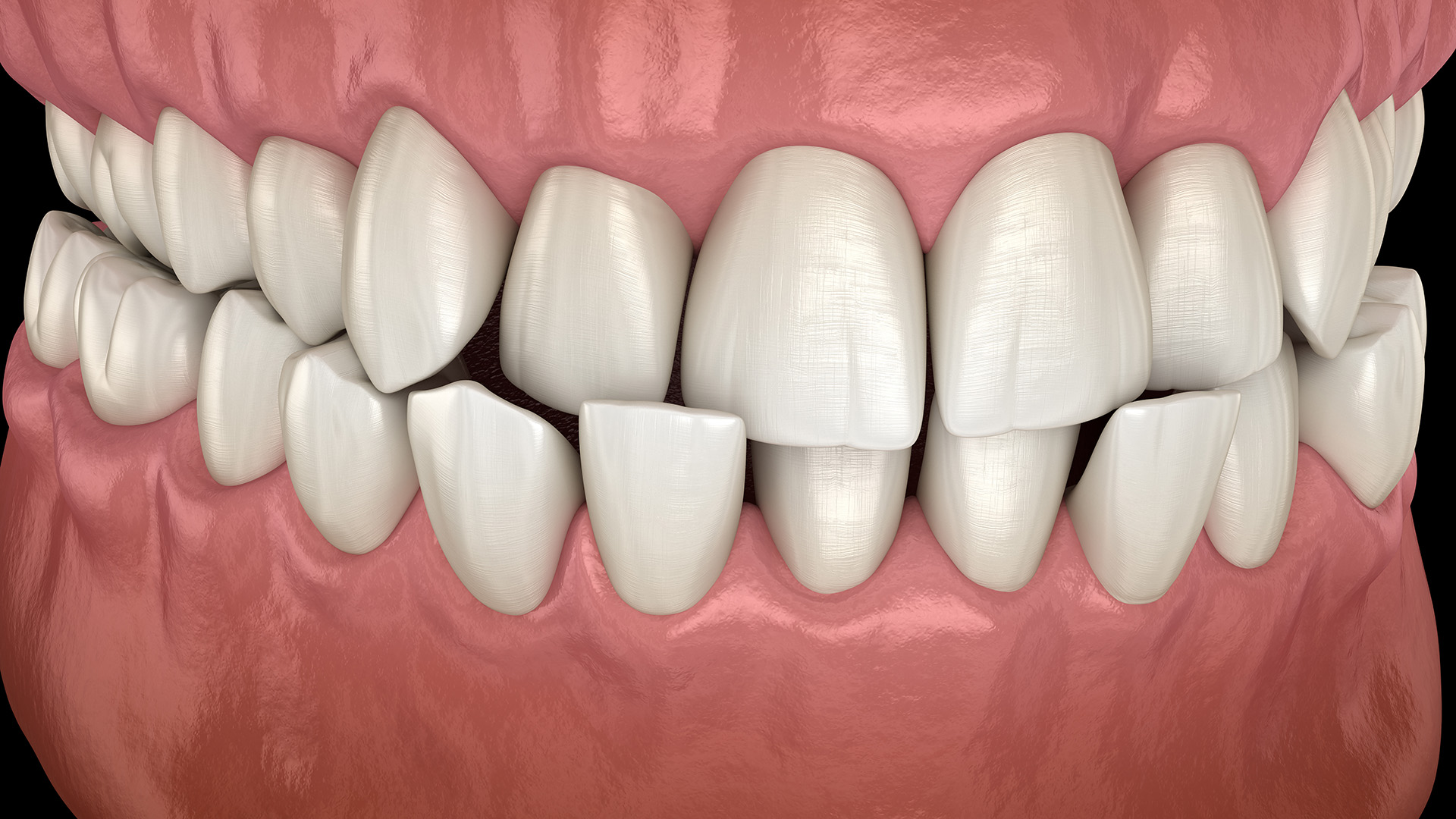
A crossbite happens when your upper teeth sit inside your lower teeth when you bite down. This misalignment can affect a single tooth or several teeth, and it may occur at the front or back of the mouth. Untreated crossbites can also lead to long-term issues, including jaw pain, tooth wear, and even facial asymmetry.

Understanding what a crossbite is, its types, and the treatments available can help you know when to seek orthodontic care.

What Causes a Crossbite?

Crossbite teeth can develop due to a mix of genetic and environmental factors:

  • Inherited genetics in jaw size or tooth positioning
  • Early childhood habits such as thumb sucking, prolonged pacifier use
  • Delayed or early loss of baby teeth
  • A narrow upper jaw caused by bone development issues
  • Mouth breathing is affecting jaw growth

Any of these factors can influence how the upper and lower jaws grow, eventually resulting in a posterior or anterior crossbite.

Types of Crossbite

Crossbite isn’t a one-type condition. There are a few variations based on where the misalignment happens.

1. Anterior Crossbite

An anterior crossbite occurs when the upper front teeth sit behind the lower front teeth. This is often confused with an underbite but is usually limited to one or a few front teeth.

2. Posterior Crossbite

A posterior crossbite happens at the back of the mouth when the upper back teeth bite inside the lower back teeth. This is one of the more common forms and is often linked to a narrow upper jaw.

3. Single-tooth Crossbite

Only one tooth is misaligned, either at the front or back.

4. Bilateral Crossbite

This affects both sides of the back teeth and is commonly related to jaw width issues.

Signs You Might Have a Crossbite

  • Upper teeth appear “tucked in” compared to lower teeth
  • Asymmetrical smile
  • Jaw shifts to one side when chewing
  • Frequent biting of cheeks
  • Uneven wear on teeth
  • Difficulty chewing certain foods

If you’ve noticed your smile looking uneven or your bite feeling off, you may have a form of crossbite.

Why You Should Treat a Crossbite Early

Leaving a crossbite untreated can lead to:

  • Jaw pain and TMJ issues
  • Tooth chipping or wearing down
  • Gum recession
  • Difficulty chewing
  • Speech issues
  • Facial asymmetry over time

Early crossbite treatment can prevent these long-term problems and improve both function and aesthetics.

How to Fix a Crossbite

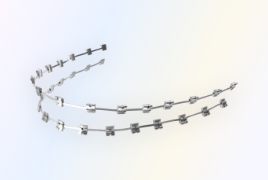
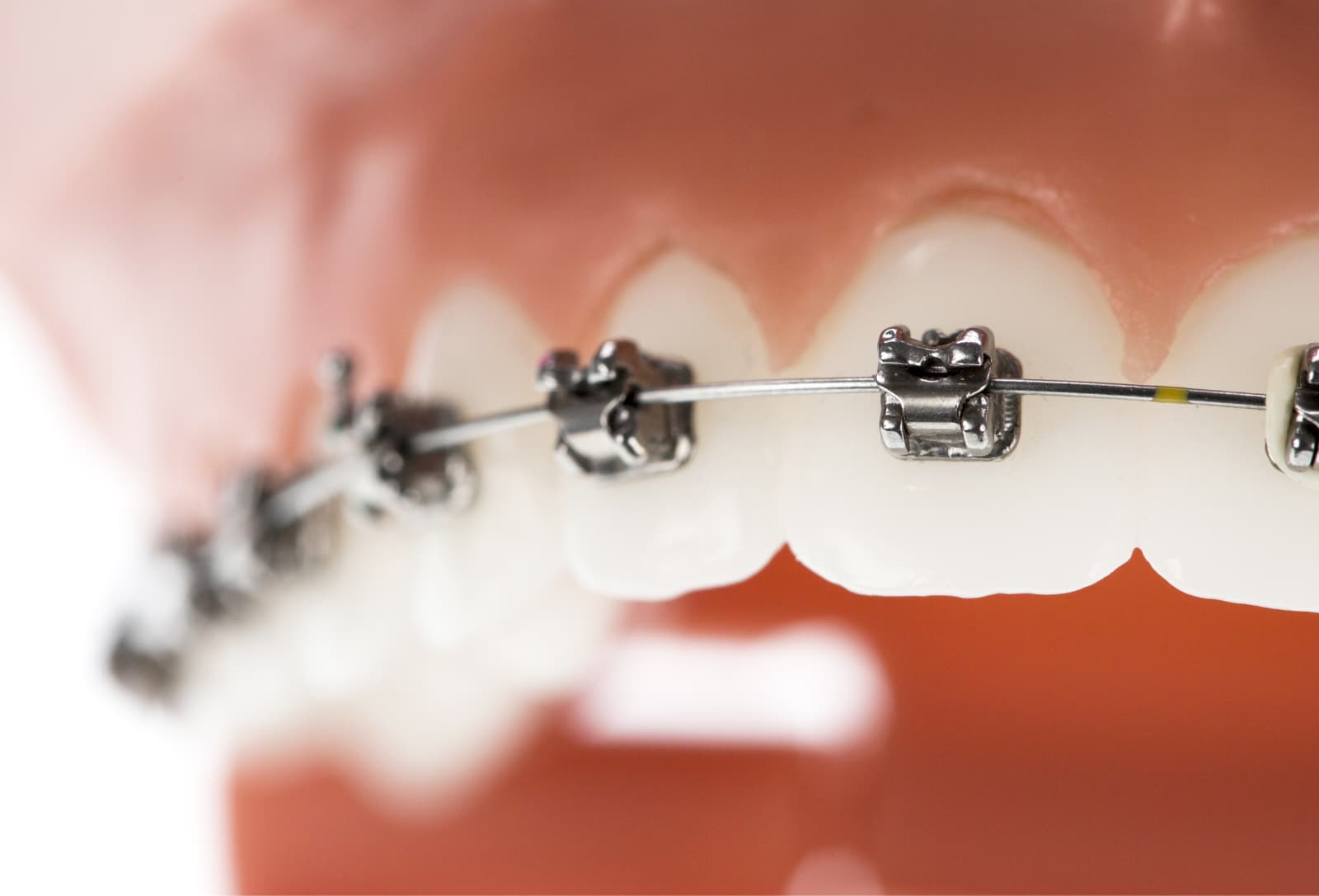
1. Braces

Braces are highly effective for complex or severe cases. Braces can apply a stronger, more controlled force to shift teeth and jaws into ideal alignment.

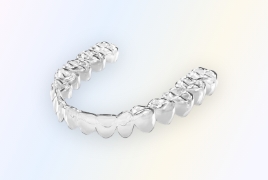
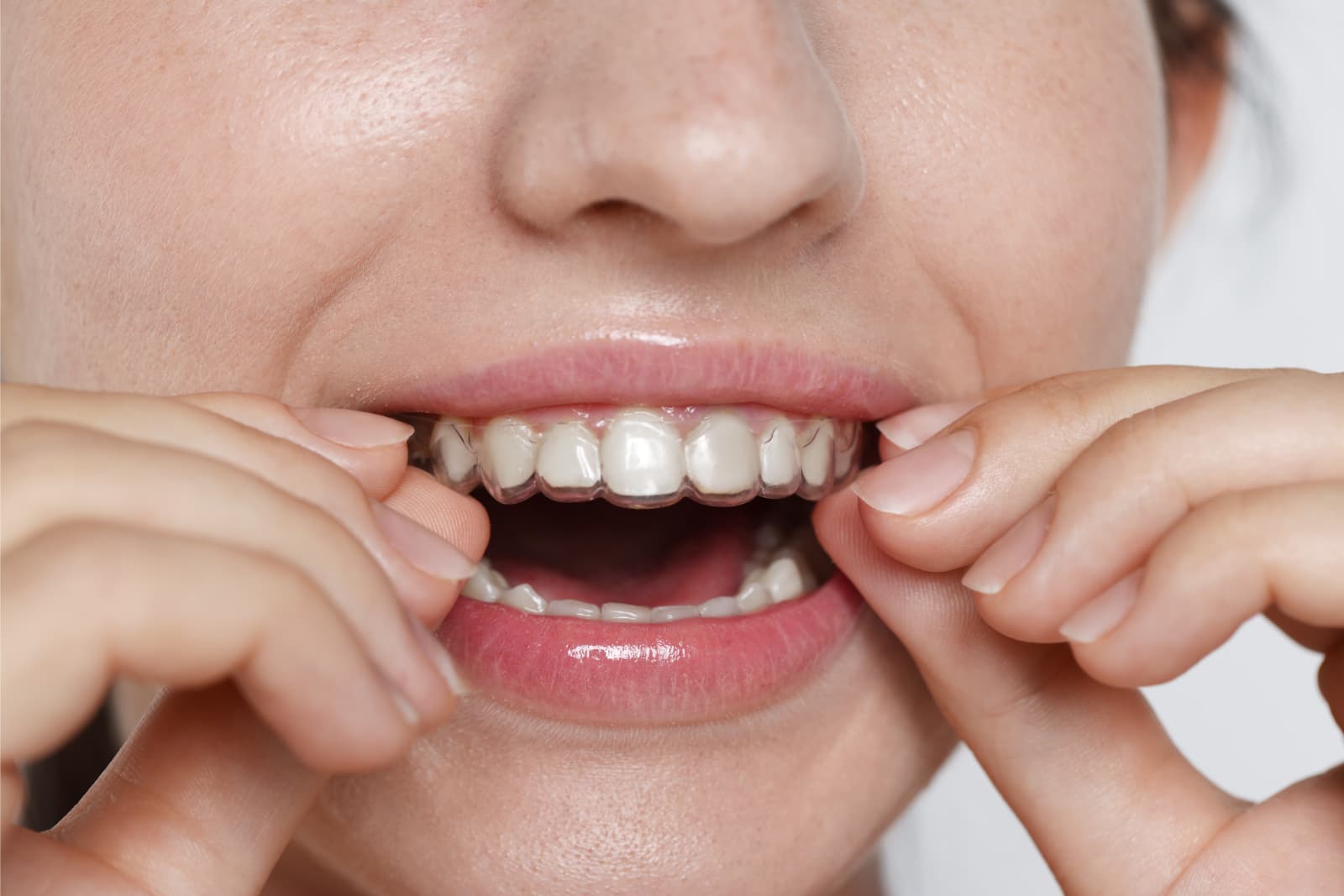
2. Clear Aligners

Clear aligners are one of the most common solutions for mild to moderate crossbite cases. They gradually move teeth into the correct position and work well for both anterior and some posterior crossbites.

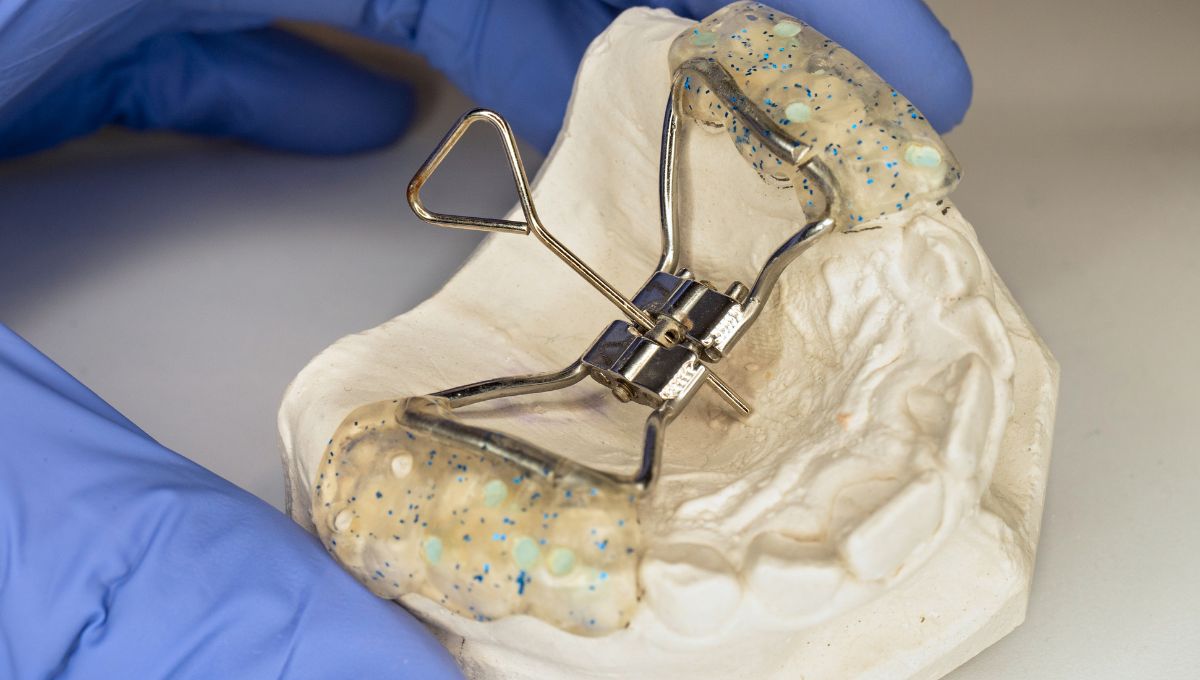
3. Rapid Palatal Expander (RPE)

For patients with a narrow upper jaw, an expander widens the palate to correct a posterior crossbite. This method is often used for children, but can be adapted for some adults.

4. Surgery

For very complex skeletal crossbite issues, jaw surgery may be recommended—but this is uncommon and usually only needed when the bite cannot be corrected with orthodontics alone.

How Long Does Crossbite Treatment Take?

Depending on severity and the chosen treatment method:

  • Braces: 12–24 months
  • Clear aligners: 6–18 months
  • Expanders + braces/aligners: Varies, often 12–30 months

The timeline depends on whether the issue is dental (teeth only) or skeletal (jaw-related).

Can a Crossbite Be Fixed in Adults?

Yes, adults can absolutely fix a crossbite. While children have the advantage of jaw growth, adults can still achieve excellent results with aligners, braces, and sometimes expanders or elastics.

A crossbite is more than a cosmetic issue; it can affect jaw health, chewing ability, and long-term dental stability. Whether you’re dealing with an anterior crossbite, a posterior crossbite, or a single-tooth crossbite, modern orthodontic treatments, especially clear aligners and braces, offer effective, discreet solutions.

If you’ve noticed an uneven bite or a shifted smile, getting an early assessment is the best step toward a healthier, more aligned smile.

Whatsapp