Braces for Kids: Common Teeth Problems & Modern Alternatives

Watching your child’s smile develop can be exciting, but it can also be a little concerning if you notice crooked or crowded teeth. Many parents ask, “Does my child need braces?” The good news is that early orthodontic assessment can help identify potential issues and guide treatment at the right time. 

In this guide, we’ll cover common teeth problems in children and highlight modern alternatives, such as invisible braces (clear aligners), that are comfortable, discreet, and effective for your children.

Why Braces Are Recommended for Kids

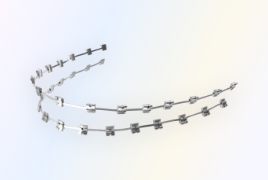
Braces are commonly used in children’s orthodontics to guide teeth into healthier positions and address developing bite concerns. In growing children, orthodontic treatment also supports proper jaw development during key growth stages.

An orthodontic assessment is typically recommended between ages 7 and 12, when both baby and adult teeth are present. This stage of care, often referred to as Phase 1 orthodontics, focuses on identifying and managing issues early, whether through monitoring or timely intervention.

Early orthodontic care can reduce the risk of more complex treatment later. Even when treatment isn’t required immediately, an assessment helps provide clarity and direction for a child’s dental development.

Common Teeth Problems Braces Can Fix

1. Crowded or Overlapping Teeth

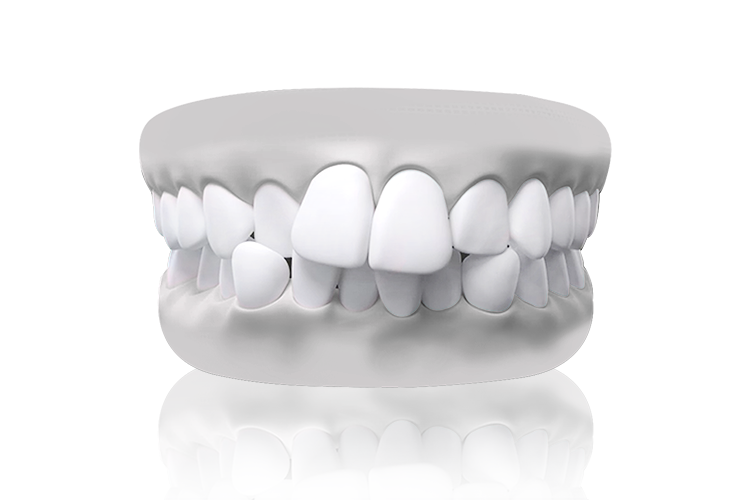
Crowding occurs when there isn’t enough space for all teeth to grow properly. This can make brushing and flossing difficult, increasing the risk of decay and gum issues. Braces or aligners can gently create space and straighten teeth over time.

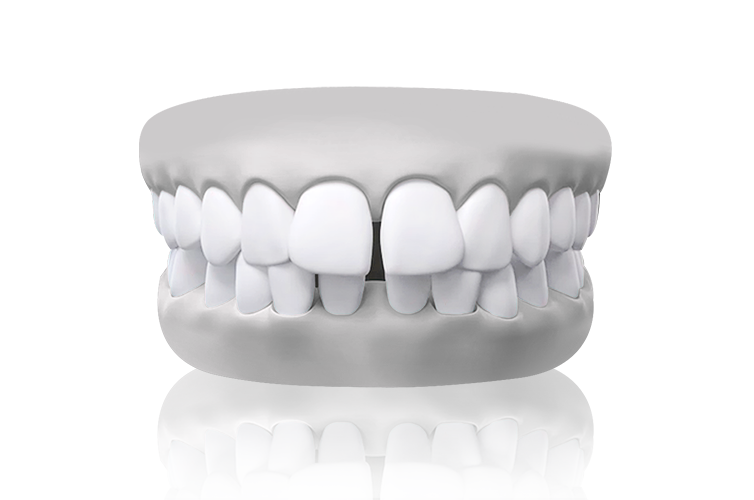
2. Gaps Between Teeth

Excess spacing can occur due to early loss of baby teeth, jaw size differences, or missing teeth. Braces close gaps, improving both appearance and function.
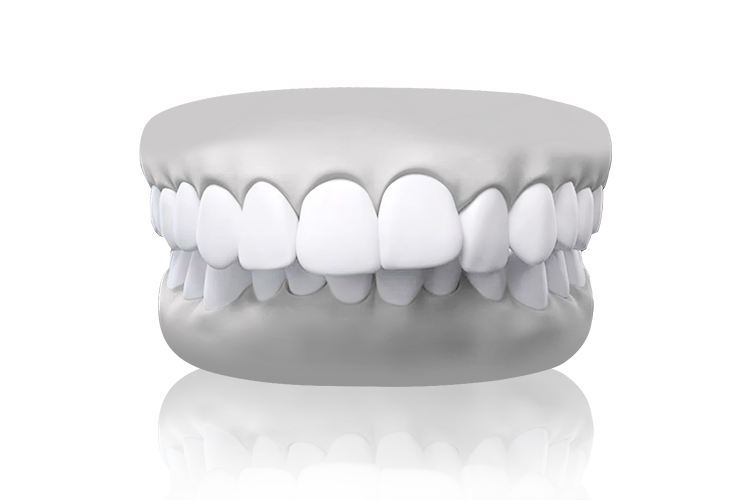
3. Overbite (Upper Teeth Overlapping Lower Teeth)

An overbite occurs when the upper teeth significantly overlap the lower teeth. Untreated overbites may cause tooth wear, jaw pain, or speech issues. Braces or aligners can correct the bite for healthier jaw alignment.
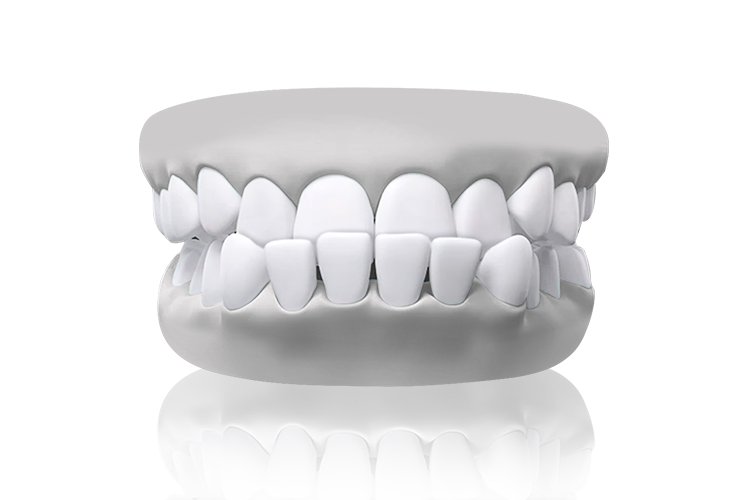
4. Underbite (Lower Teeth Protruding Beyond Upper Teeth)

An underbite affects chewing, speech, and facial symmetry. Mild cases can be corrected with aligners, while more severe cases may require braces or additional orthodontic appliances.
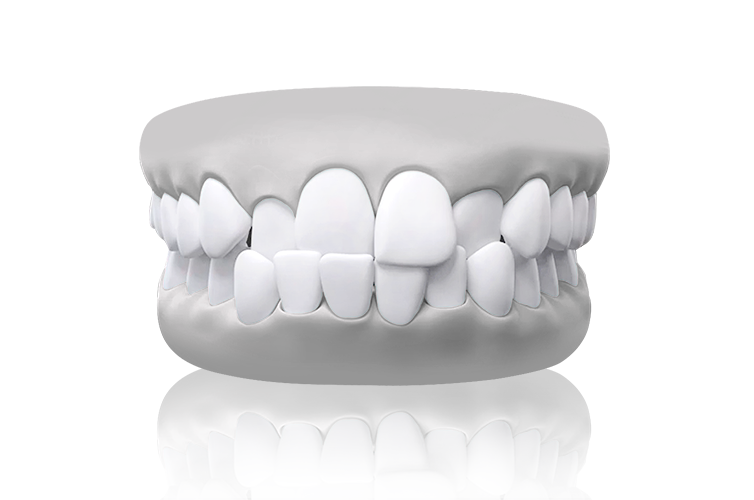
5. Crossbite (Upper and Lower Teeth Don’t Align Properly)

A crossbite occurs when some upper teeth bite inside the lower teeth. Braces or aligners help reposition teeth and reduce strain on the jaw.
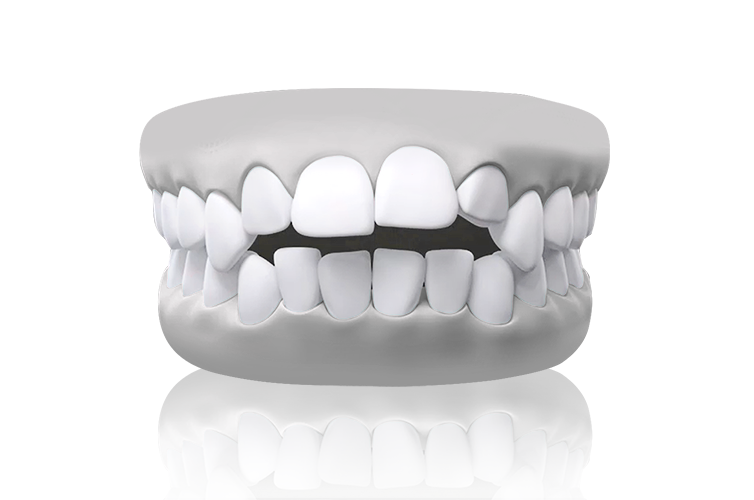
6. Open Bite (Front Teeth Don’t Touch When Biting)

Often caused by habits like thumb sucking or tongue thrusting, open bites can affect eating and speech. Orthodontic appliances and aligners can guide teeth into proper alignment.

Modern Alternatives: Invisible Braces for Children

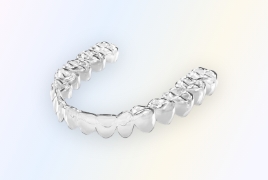
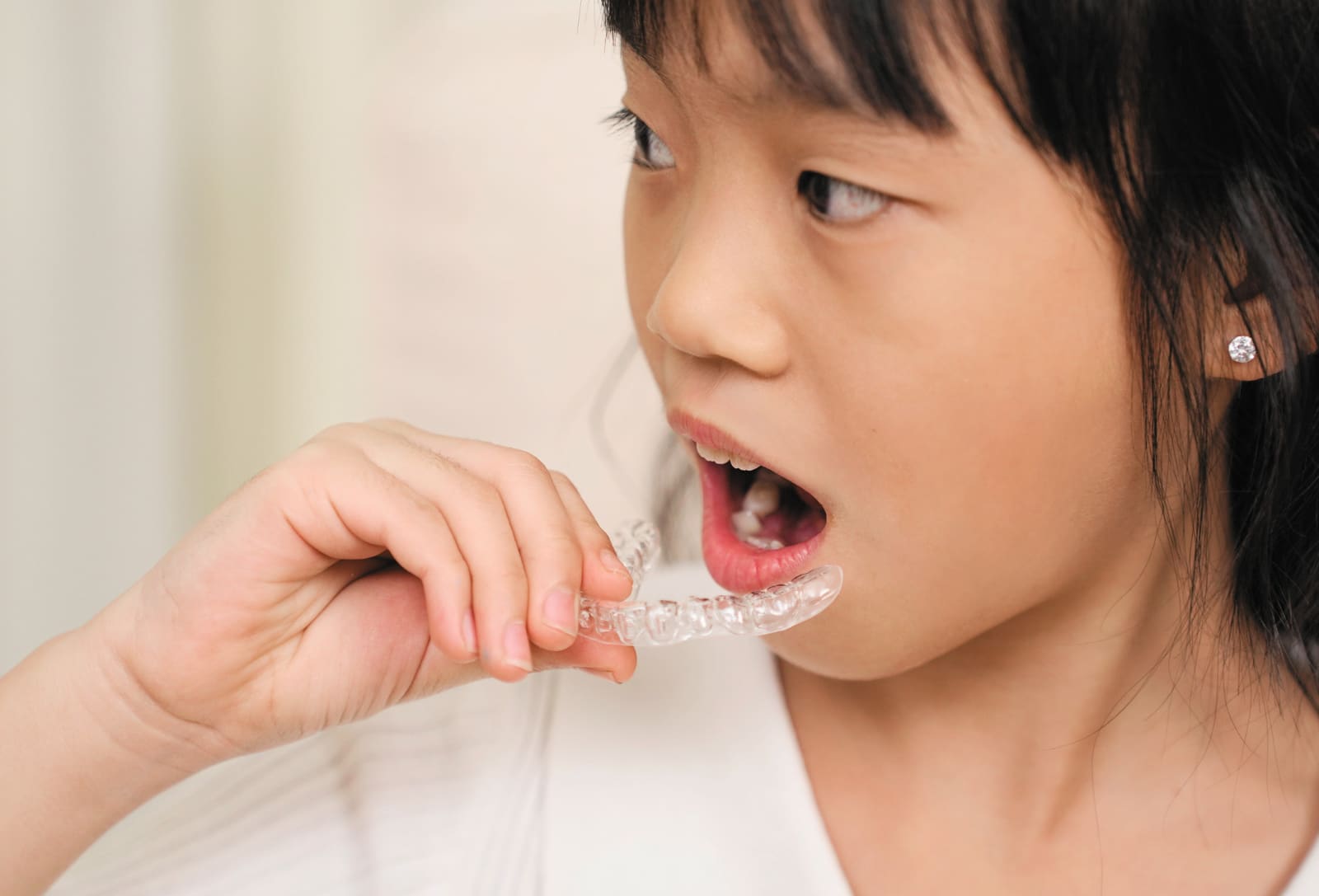
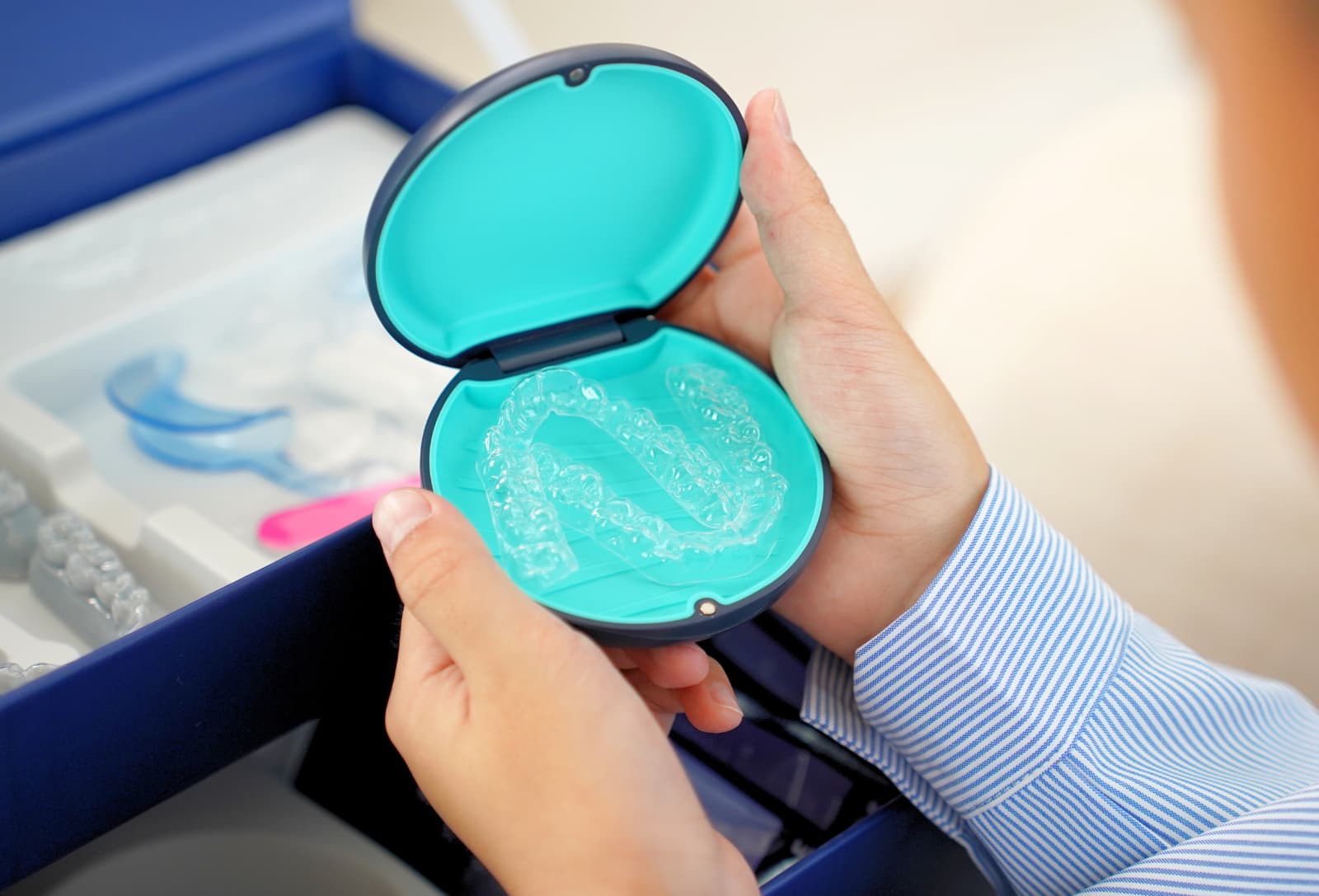
While braces remain a reliable solution for correcting teeth and bite issues, many parents today are considering clear aligners for their children. Sometimes called invisible braces, these aligners offer a modern and discreet way to guide teeth into proper alignment. They are:

  • Removable for easy eating and brushing
  • Comfortable, smooth fit without wires or brackets
  • Discreet appearance for school or social settings
  • Effective correction for mild to moderate teeth issues

Clear aligners are most suitable for cooperative children who can wear them consistently and often work best as part of early orthodontic treatment.

Clear aligners can be a comfortable and invisible solution for children in suitable cases. By assessing your child’s teeth early, potential complications can be prevented and healthy development supported. If you’re unsure whether braces or aligners are the right choice, a consultation can provide personalised advice for a strong, confident smile.

Whatsapp