TEETH - STRAIGHTENING TREATMENT
SERVICES
RESOURCES
SHOP
MEDICAL CERTIFICATIONS
Certifications ensuring safety, quality, and compliance with global standards.

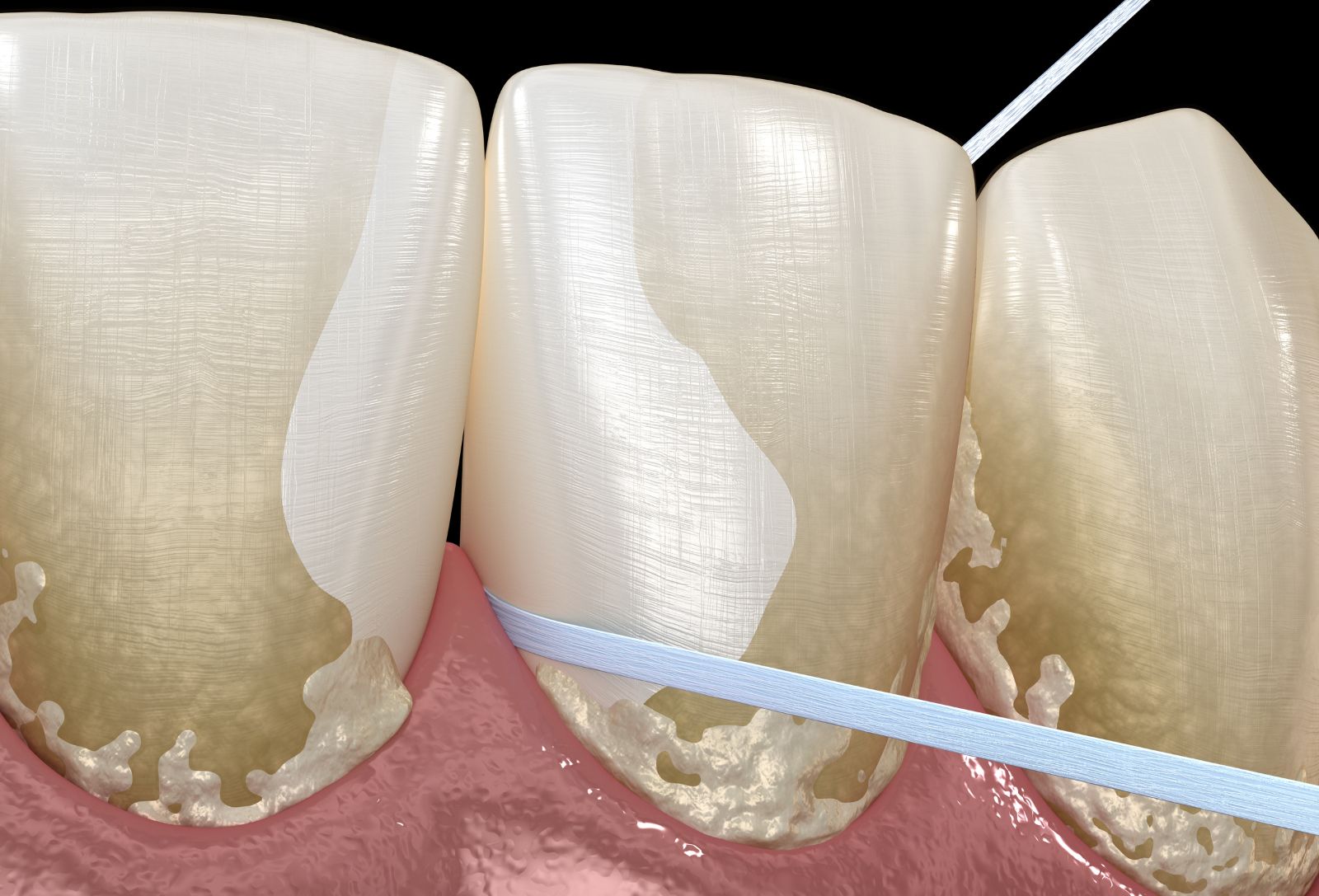
Dental plaque is a soft, sticky film that constantly forms on your teeth. It is made up of bacteria, saliva, and food particles, especially sugars and carbohydrates. Plaque develops throughout the day, even if you brush regularly, which is why daily oral hygiene is essential.
If plaque is not removed properly, it can harden over time and contribute to gum problems, tooth decay, and other oral health issues.
Plaque forms when bacteria in the mouth feed on sugars from food and drinks. As these bacteria break down sugars, they produce acids that stick to the tooth surface.
Common reasons plaque builds up quickly include:
Frequent consumption of sugary or starchy foods
Inadequate brushing or flossing
Poor brushing technique
Skipping flossing
Crowded or hard-to-reach areas between teeth
Dry mouth or low saliva flow

Plaque is often colourless or pale yellow, making it difficult to see. Many people only notice it when they run their tongue over their teeth and feel a fuzzy or slippery coating, especially near the gumline or between teeth.
If plaque remains on teeth for too long, it can harden and become rough, which makes it even easier for more plaque to stick.
Although plaque may seem harmless at first, it plays a major role in many dental problems.
Plaque can lead to:
Tooth decay (cavities)
Gum inflammation (gingivitis)
Bleeding or swollen gums
Persistent bad breath
Weakening of tooth enamel
When plaque builds up along the gumline, it irritates the gums and can progress into more serious gum disease if left untreated.
The good news is that plaque can be removed at home if it is still soft.
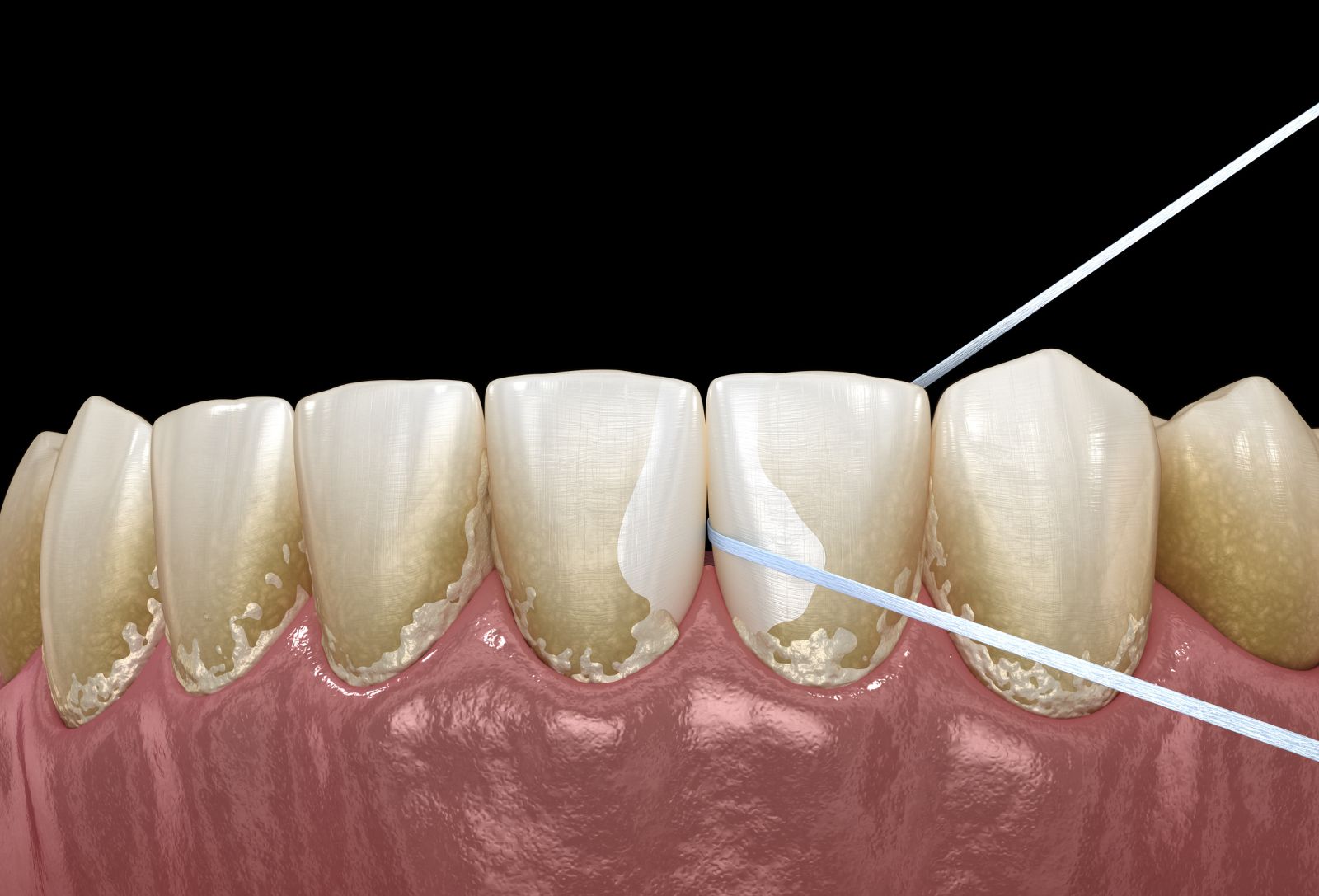
Effective ways to remove plaque:
Brush your teeth twice a day using fluoride toothpaste
Use a soft-bristled toothbrush or an electric toothbrush
Brush gently along the gumline where plaque builds up most
Floss daily to remove plaque between teeth
Rinse with an antibacterial or fluoride mouthwash
Consistency is key. Plaque forms every day, so daily care matters more than brushing harder.
Yes. When plaque is left on teeth for too long, minerals from saliva cause it to harden. Once hardened, it cannot be removed by brushing alone and usually requires professional dental cleaning.
This is why removing plaque early is important—it helps prevent more stubborn build-up and protects your gums and teeth.

Preventing plaque is easier than dealing with dental problems later.
Simple habits that help prevent plaque:
Brush thoroughly twice a day
Replace your toothbrush every 3 months
Floss once a day, even if your gums bleed initially
Limit sugary snacks and drinks
Drink plenty of water throughout the day
Visit your dentist regularly for check-ups and cleaning

Yes. Crowded or misaligned teeth can make plaque harder to remove because toothbrushes and floss may not reach certain areas easily.
Straighter teeth are generally easier to clean, which can help reduce plaque retention and support long-term oral health.
You should consider seeing a dentist if you notice:
Plaque that keeps coming back despite good brushing habits
Bleeding gums when brushing or flossing
Persistent bad breath
Tooth sensitivity or discomfort
Early professional advice can help prevent plaque-related problems from becoming more serious.
Plaque is a normal part of everyday oral health, but it should not be ignored. With proper daily care and regular dental visits, plaque can be managed effectively before it causes damage to your teeth or gums.
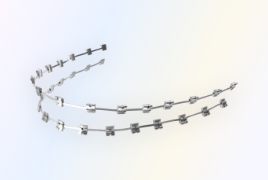
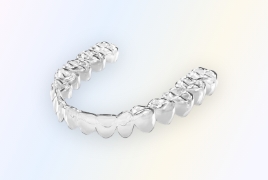
For some people, plaque build-up happens more easily due to crowded or misaligned teeth. When teeth overlap or are difficult to clean, plaque can accumulate in areas that brushing and flossing may miss. In these cases, orthodontic treatment such as clear aligners or braces can help by improving teeth alignment, making daily cleaning more effective and reducing long-term plaque retention.
Taking small, consistent steps each day, combined with professional dental advice when needed, can make a big difference in keeping your smile healthy.
Get a free consultation with your orthodontist today to explore your options and take the first step towards achieving the smile of your dreams. Your journey to a confident smile starts now!
What Is Plaque on Teeth? Dental plaque is a soft, sticky film that constantly forms on your teeth. It is ...
22 December 2025
What Is a Gummy Smile? A gummy smile happens when more of the upper gums show than usual when you ...
15 December 2025
What Is a Crossbite? A crossbite happens when your upper teeth sit inside your lower teeth when you bite down. ...
9 December 2025
What Is IPR? Interproximal reduction, often referred to as IPR, is a common technique employed in modern orthodontics to create ...
1 December 2025
Mouth breathing is more common than people think, and many don’t realise they’re doing it, especially while sleeping. Whether you’ve ...
24 November 2025