Early Orthodontic Treatment for Children: A Parent’s Guide

As a parent, it’s natural to wonder when, or if, your child needs orthodontic treatment. Many parents assume braces or aligners are only necessary during the teenage years. However, orthodontists often recommend an early assessment, especially between the ages of 7 and 12.

This stage is commonly known as the “golden window” for orthodontic care. During this period, a child’s teeth and jaw are still developing, making it easier to guide growth and address issues early, and sometimes preventing the need for more complex treatment later.

This guide explains what early orthodontic treatment is, why timing matters, and what parents should know when considering treatment for their child.

What Is Early Orthodontic Treatment

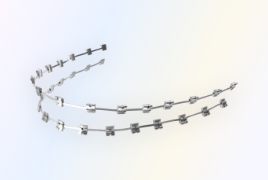
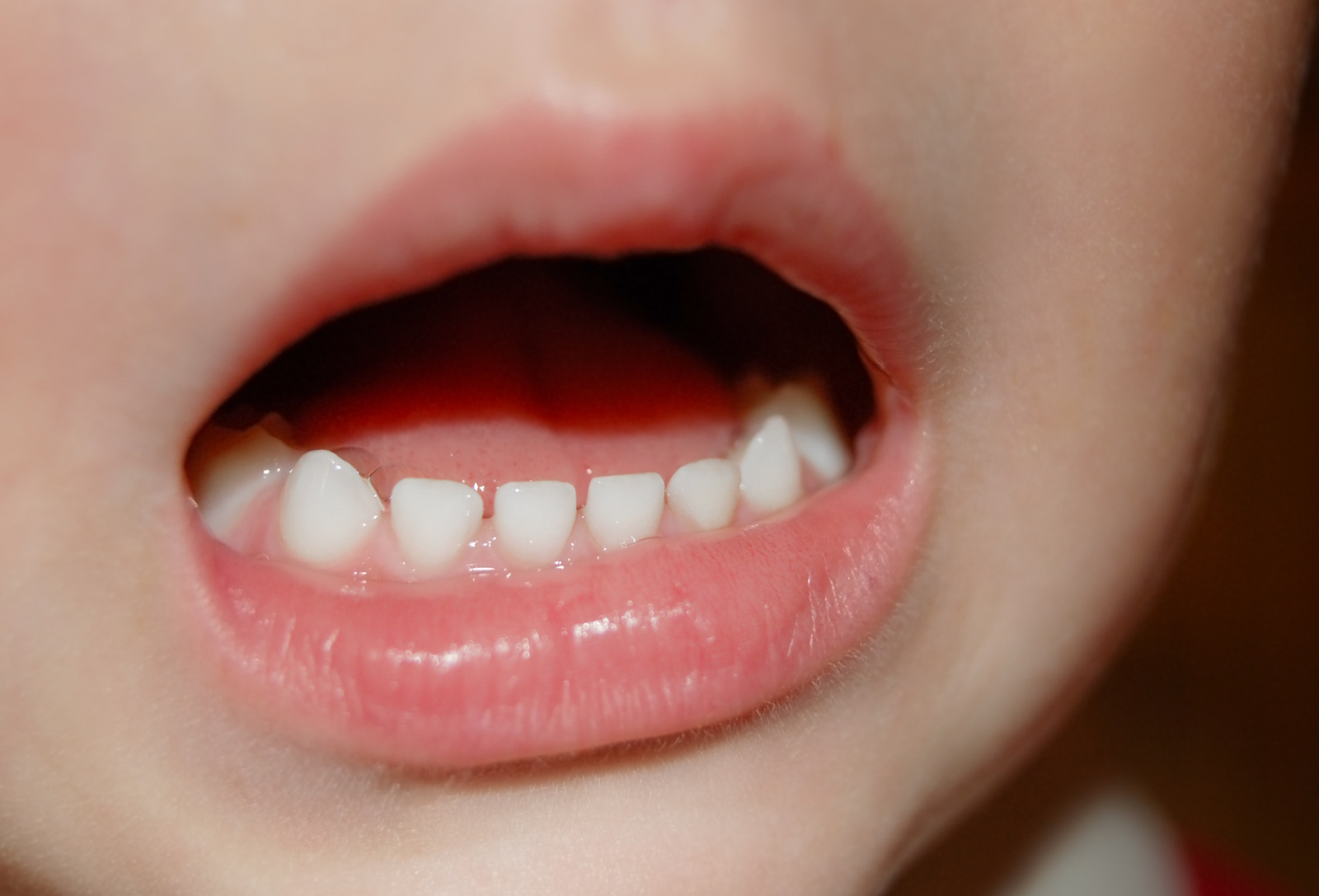
Early orthodontic treatment, also known as Phase 1 orthodontics, focuses on guiding jaw growth and tooth development while a child still has a mix of baby and permanent teeth.

Rather than just straightening teeth for appearance, Phase 1 treatment aims to:

  • Create enough space for incoming permanent teeth
  • Improve how the upper and lower jaws fit together
  • Address habits that may affect dental development
  • Reduce the risk of more serious orthodontic problems later


Not every child will require early treatment, but an assessment enables orthodontists to monitor development and intervene only when necessary.

Why Ages 7–12 Are Considered the “Golden Window”

Between ages 7 and 12, children experience active jaw growth. At this stage:

  • The jawbones are still soft and responsive
  • Teeth are easier to guide into healthier positions
  • Growth-related issues can be corrected rather than managed later

Treating problems early allows dentists to work with natural growth, instead of correcting complications once growth has stopped. For many children, this can mean shorter, simpler treatment in the future.

Common Problems Early Orthodontic Treatment Can Address

Early intervention braces are often recommended when certain developmental issues are present, including:

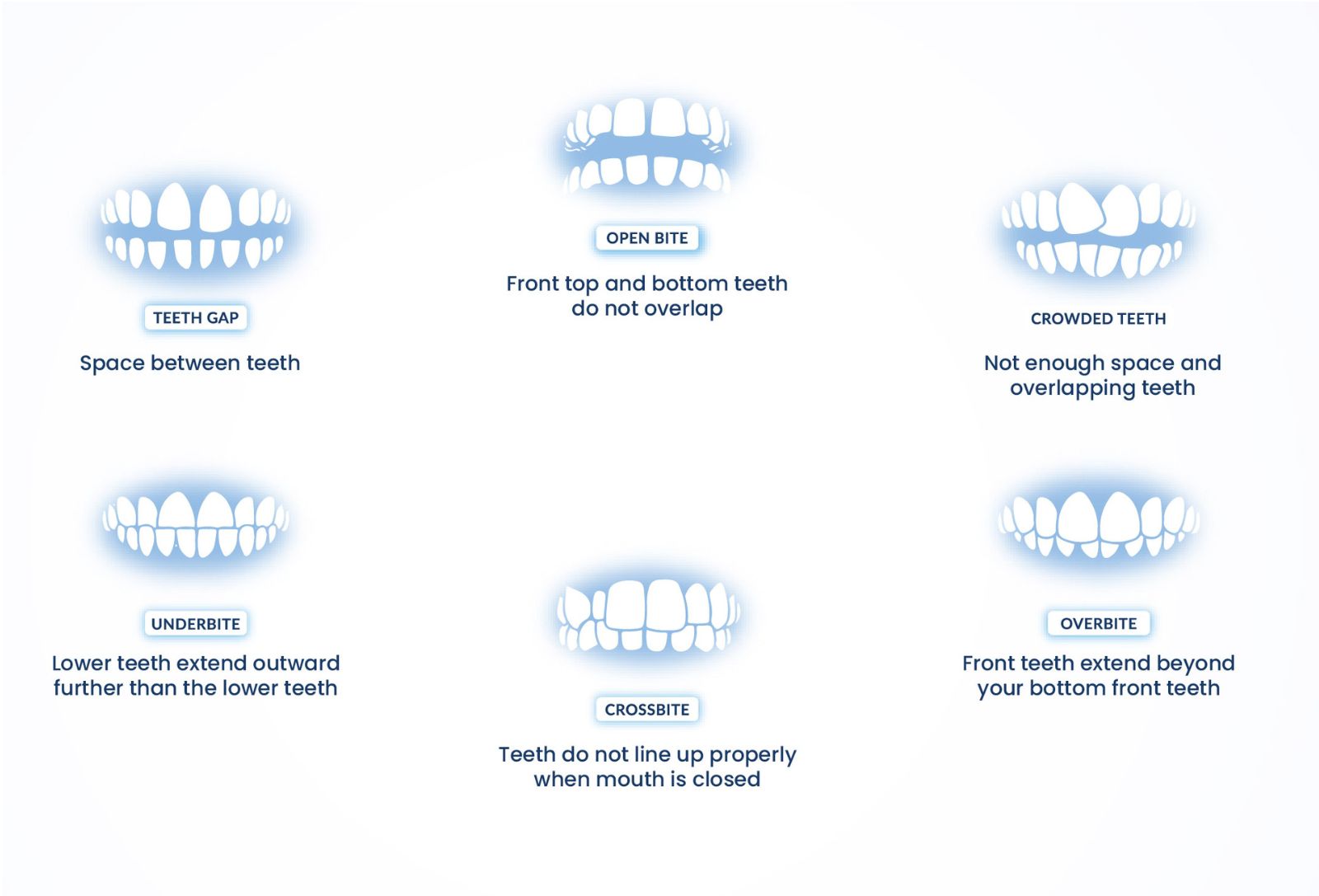
  • Crowded or overlapping teeth
  • Crossbite, overbite, underbite, or open bite
  • Early or delayed loss of baby teeth
  • Jaw growth imbalances
  • Effects of thumb sucking or mouth breathing

Early identification helps support proper function and long-term oral health.

Signs Your Child May Benefit from Early Orthodontic Care

Parents may consider an orthodontic assessment if they notice:

  • Difficulty biting or chewing
  • Teeth that don’t meet properly when the mouth closes
  • Mouth breathing or speech difficulties
  • Crowded baby teeth or noticeable spacing issues
  • Teeth erupting at unusual angles

Even if these signs aren’t obvious, a professional assessment can help identify hidden concerns.

What Treatments Are Used in Phase 1 Orthodontics?

Phase 1 treatment does not always involve braces. Depending on your child’s needs, treatment may include:

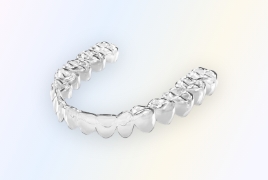
  • Clear aligners (invisible braces), when suitable
  • Removable orthodontic appliances
  • Habit-correcting devices
  • Active monitoring without immediate treatment

The goal is not to complete orthodontic treatment at this stage, but to prepare the mouth for healthier development.

Can Clear Aligners Be Used for Children?

In some cases, clear aligners may be suitable for younger children. They can help address alignment issues while offering benefits such as:

  • Improved comfort
  • Easy removal for eating and brushing
  • Less impact on daily activities and confidence

Because children are still growing, aligner treatment often involves close monitoring to ensure progress stays on track.

What to Expect During an Early Orthodontic Consultation

An early interceptive orthodontic treatment typically includes:

  • A dental and growth assessment
  • Digital scans or X-rays, if needed
  • Evaluation of jaw development and tooth alignment
  • A personalised recommendation, which may involve treatment or monitoring

Why an Early Assessment Matters

An orthodontic assessment around age 7 to 12 does not always commit parents to immediate treatment. Instead, it helps identify how your child’s teeth and jaws are developing and whether any potential concerns may arise as they grow. In many cases, orthodontists simply recommend monitoring growth over time, stepping in only if and when treatment becomes necessary.

Early orthodontic care focuses on prevention, preparation, and supporting healthy development. By addressing issues at the right time or confirming that no intervention is needed, children can achieve better long-term outcomes with fewer complications and more predictable treatment in the future. If you’re still unsure whether your child could benefit from orthodontic guidance, scheduling a consultation is a simple first step to get personalised advice.

Whatsapp