Why They Happen and How to Manage Them
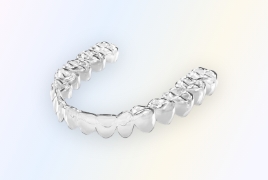
If you’re undergoing aligner treatment to straighten your teeth, you may have experienced ulcers or sores in your mouth. These ulcers can be painful and uncomfortable, and they can make it difficult to eat, speak, and even wear your aligners.
In this article, we’ll explore why ulcers happen during aligner treatment and provide tips on how to manage them.
How Do Ulcers Form During Aligner Treatment
Ulcers can occur during aligner treatment for a few different reasons. Here are some of the most common causes:
Friction: Aligners are designed to gently pressure your teeth to gradually shift them into place. However, this pressure can also cause friction between the aligners and the soft tissue in your mouth, leading to ulcers.
Allergic Reaction: Some people may have an allergic reaction to the material in the aligners, which can cause ulcers to form.
Poor Oral Hygiene: Without practising good oral hygiene during aligner treatment, bacteria can build up in your mouth, leading to infections and ulcers.
Lack of Sleep: Lacking rest could lead to body heat arising. We should always drink plenty of water. Eat a healthy diet, rich in fresh fruits and vegetables. Avoid hot and spicy foods until the ulcer heals.
How to Manage Ulcers During Aligner Treatment
If you’re experiencing ulcers during aligner treatment, there are several things you can do to manage them:
Use Orthodontic Wax: Orthodontic wax is a soft, pliable material that you can use to cover the parts of your aligners that are causing friction. This can help reduce the irritation to your mouth and prevent ulcers from forming.
Rinse with Salt Water: Salt water is a natural antiseptic that can help reduce inflammation and promote healing. Rinse your mouth with a warm saltwater solution several times a day to help soothe ulcers and prevent infection.
Maintain Good Oral Hygiene: Brush and floss your teeth regularly to prevent bacteria from building up in your mouth. This can help reduce the risk of infections and ulcers.
Talk to Your Orthodontist: If you’re experiencing persistent ulcers during aligner treatment, talk to your orthodontist. They may be able to adjust your aligners or provide additional recommendations to help manage your symptoms.
Conclusion
Ulcers can be a painful and uncomfortable side effect of aligner treatment, but they don’t have to derail your progress. By understanding why ulcers happen and taking steps to manage them, you can continue on your journey towards a straighter, healthier smile.
Remember to practice good oral hygiene, use orthodontic wax, and talk to your orthodontist if you’re experiencing persistent ulcers. With the proper care, you can minimize discomfort and achieve the smile of your dreams.
Contact us for any inquiries and information.