TEETH - STRAIGHTENING TREATMENT
SERVICES
RESOURCES
SHOP
MEDICAL CERTIFICATIONS
Certifications ensuring safety, quality, and compliance with global standards.
You might be wondering — what do braces and dental implants have in common? Can they be used together, or are they completely separate treatments? Whether you already have an implant or are planning to get one, understanding how braces and implants work together is key to achieving a healthier, more aligned smile.
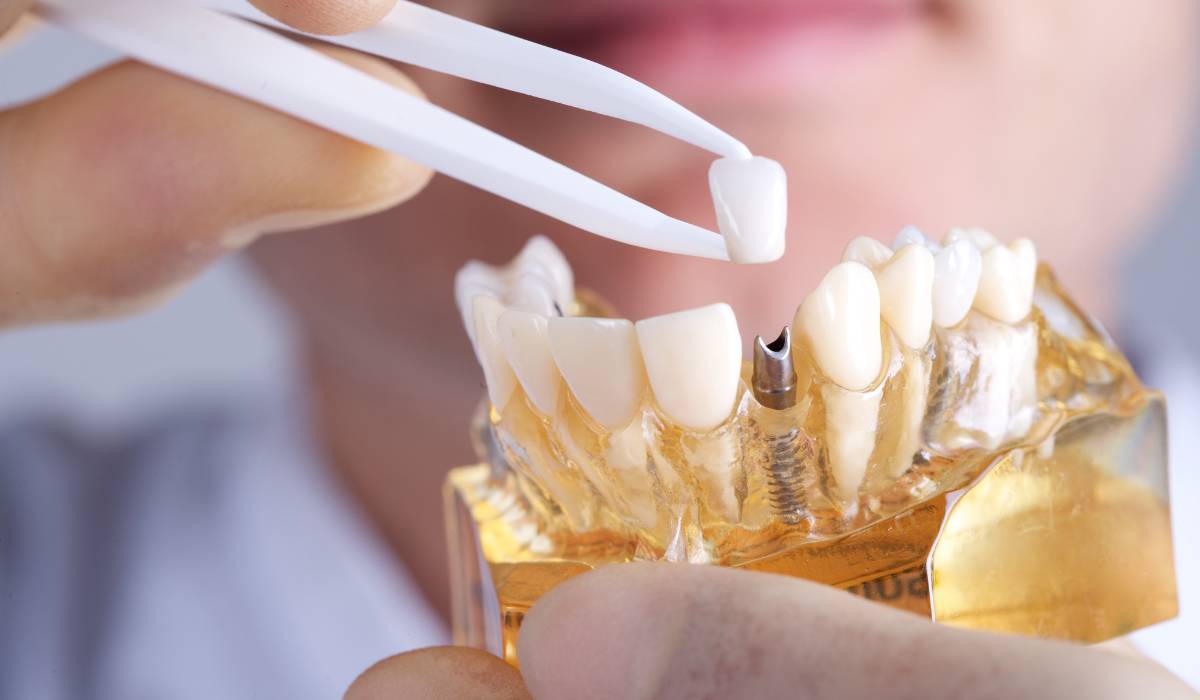
Dental implants are fixed replacements for missing teeth. They’re designed to blend in seamlessly with your natural teeth — both in appearance and function. Braces, whether traditional or invisible, are used to shift your teeth into the right position. While the two serve different purposes, they can often complement each other when planned correctly.
In this article, we’ll cover the key things you should know when it comes to combining braces and dental implants:
Let’s break it all down below.

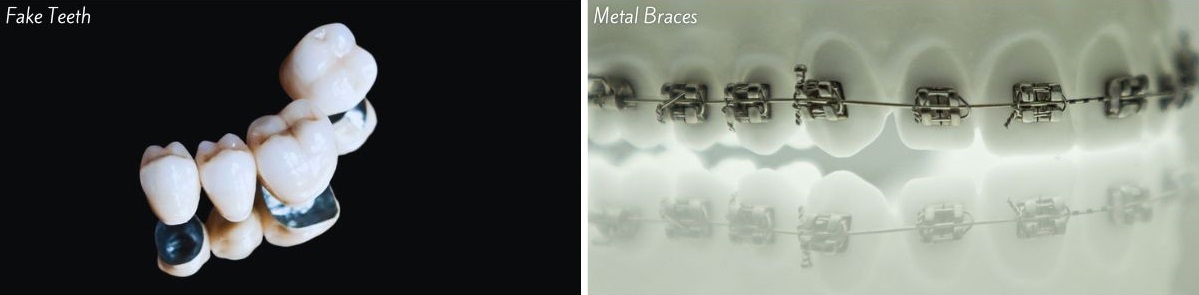
It is always recommended to do orthodontic treatment before getting dental implants (fake teeth). This is because braces will allow your teeth to gradually move and fix your teeth alignment. Once your teeth are aligned, implants can be placed without looking out of place.
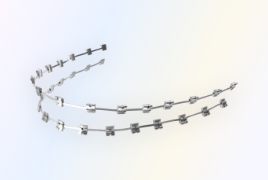
You can still wear braces after you get an implant (fake teeth). However, it is more likely that your natural teeth will move but your implant will stay in the same position as it is attached and fixed to the bone. Getting braces with a dental implant will have no adverse effect on your natural teeth.
An implant (fake teeth) won’t affect your ability to receive braces treatment – only in certain cases where the teeth surrounding the implant are not designed for orthodontic treatment. If your implant is being placed at the back of your mouth, you can proceed with the implant before the braces.
As we age, our teeth tend to crowd more towards the front. This implies that the non-movable implant may begin to appear out of place over time. If an implant is positioned appropriately compared to the other teeth, braces can be used to move the teeth around it.
If your implant is not in the ideal position, it will look out of place once the rest of your teeth are aligned. In that case, you either can elect to have a slightly less than perfect smile, or to remove the implant, receive the orthodontic treatment, and replace the implant at the end of the treatment.
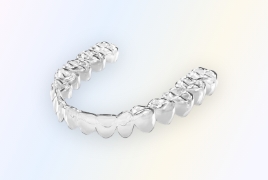
If you plan on using aligners instead of metal braces, the same still applies. You will be advised to go through the orthodontic treatment first, then only the dentist will apply the fitted implant in a more inner position, allowing your natural teeth to adjust to the positioning of your implant when wearing invisible braces.
It’s best to consult both your dentist and orthodontist to discuss your goals, so they can personalise a treatment plan that suits your needs. Ready to take the first step? Start with a free smile consultation today.
Get a free consultation with your orthodontist today to explore your options and take the first step towards achieving the smile of your dreams. Your journey to a confident smile starts now!
Dr Clear Aligners (DCA), a Singapore-founded orthodontic technology company, announced a strategic repositioning of its business model to further strengthen ...
20 May 2026
Wedding Planning Isn’t Just About the Venue and Dress Wedding preparation often starts months before the actual big day — ...
14 May 2026
Elevating Smiles at MIDS 2026 Dr Clear Aligners PRO proudly participated as a Gold Sponsor at the 9th Malaysia International ...
7 May 2026
Dr Clear Aligners (DCA) recently hosted its Awards Night 2026 at Hotel ALOFT, Kuala Lumpur Sentral, bringing together dental professionals ...
30 April 2026
Building on its established presence in Thailand since 2021, Dr Clear Aligners is strengthening its regional footprint through a collaboration ...
23 April 2026