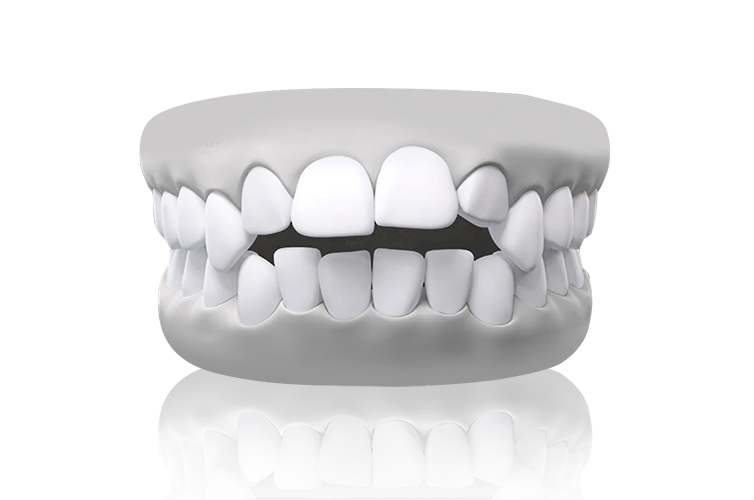
Teeth straightening has evolved over the years. While traditional metal braces remain a familiar option, developments in digital dentistry have introduced new ways to understand teeth alignment, plan tooth movements, and monitor progress.
From three-dimensional (3D) dental scans to artificial intelligence (AI)-assisted planning, modern technology can help dental professionals develop a more personalised approach based on individual teeth conditions, bite requirements, and smile goals.
This guide explores how digital technology supports the teeth-straightening journey and how these advancements have contributed to modern options such as invisible clear aligners.
1. How Teeth Straightening Has Evolved
Traditionally, orthodontic planning relied on physical dental impressions, plaster models, photographs, and X-rays to help dental professionals understand the position of teeth and develop a suitable treatment plan.
These methods remain useful today. However, digital technology provides additional ways to capture, review, and manage dental information throughout the teeth-straightening process.
Modern digital workflows may support:
- Capturing detailed digital records of teeth and bite alignment
- Reviewing dental models from multiple angles
- Planning proposed tooth movements
- Visualising different stages of teeth straightening
- Designing personalised dental appliances
- Monitoring changes in teeth position over time
These advancements can support both traditional orthodontic approaches and modern alternatives such as clear aligners, depending on the individual case and professional recommendation.
2. Digital Dental Scanning and 3D Modelling
One of the first steps in teeth straightening is understanding the current position, shape, and relationship of your teeth.
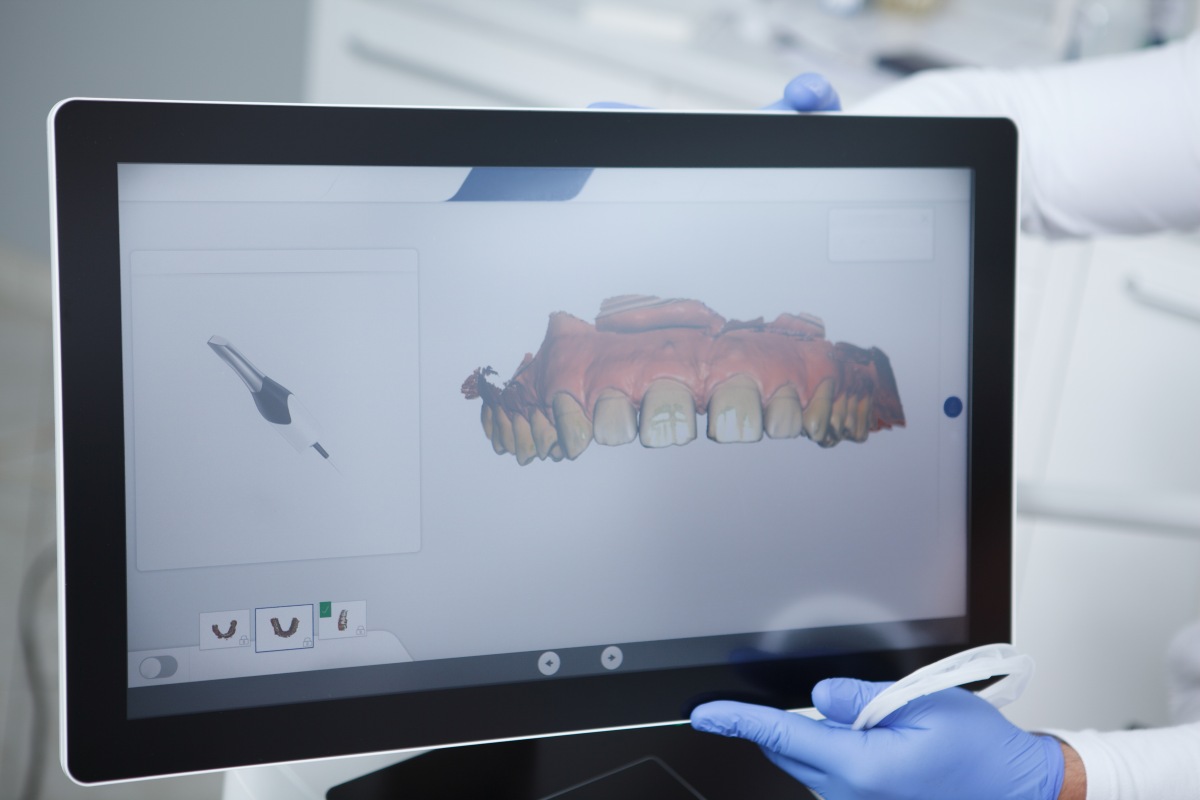
Instead of relying solely on traditional dental impressions, dental professionals may use an intraoral scanner to capture detailed images of your teeth and surrounding areas.
The scanner uses a small handheld device to collect digital images, which are combined to create a three-dimensional model of your dental arches.
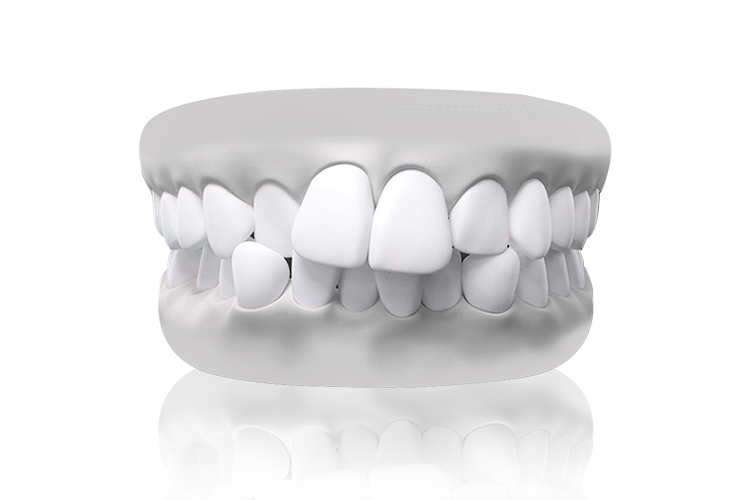
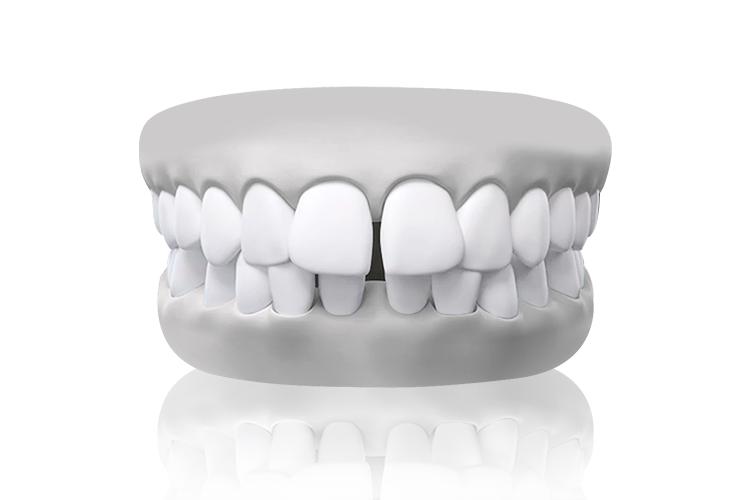
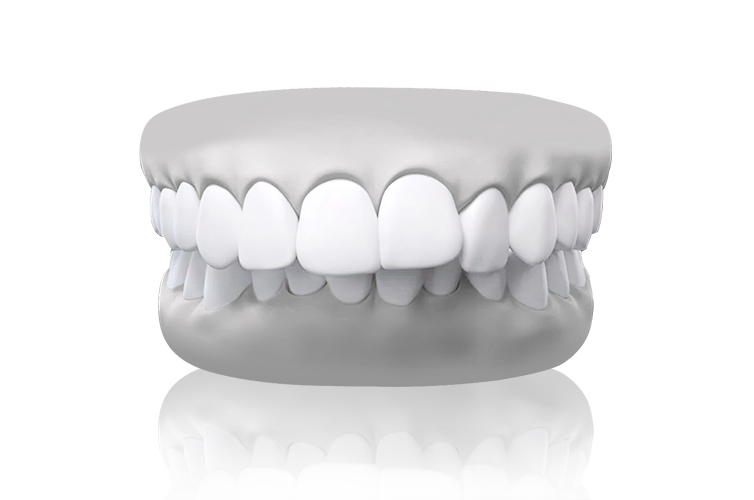
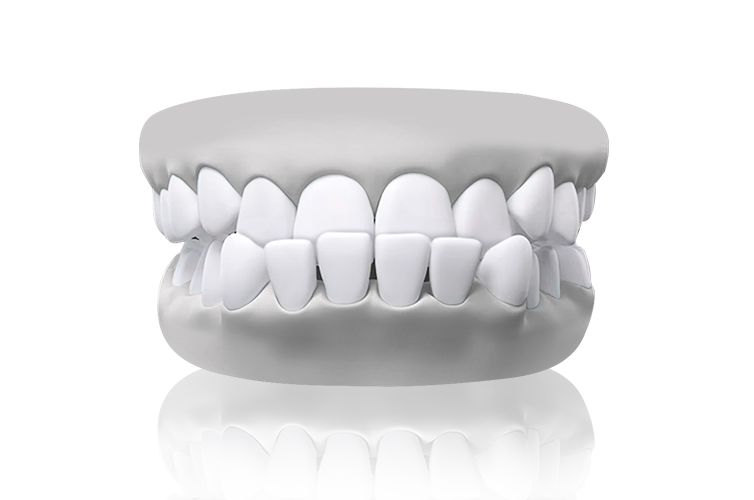
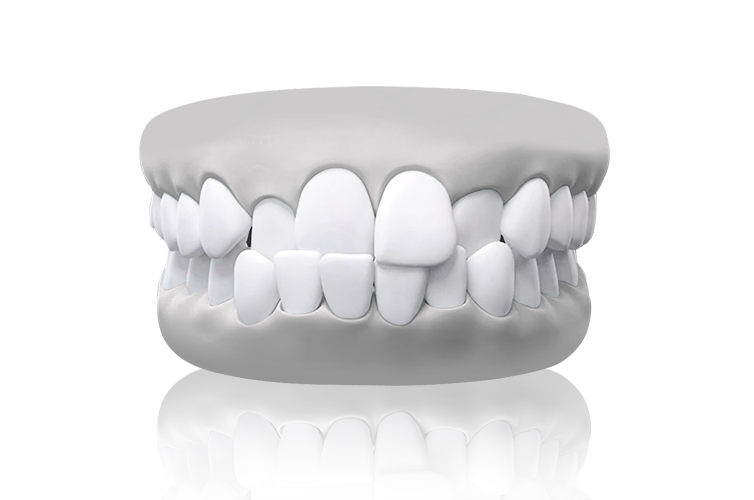
Unlike a conventional photograph, a 3D dental model can be rotated and viewed from different angles. This helps dental professionals examine crowding, spacing, tooth rotation, and how the upper and lower teeth meet.
Additional photographs, X-rays, or dental records may also be required to provide a more complete understanding of your oral health and alignment needs.
If you are preparing for your first visit, our guide on what to expect during your first orthodontic consultation explains how the initial review may take place.
3. AI-Assisted Planning and Personalisation
Every smile is different. The position of individual teeth, bite relationships, and overall dental health can influence how teeth straightening is planned.
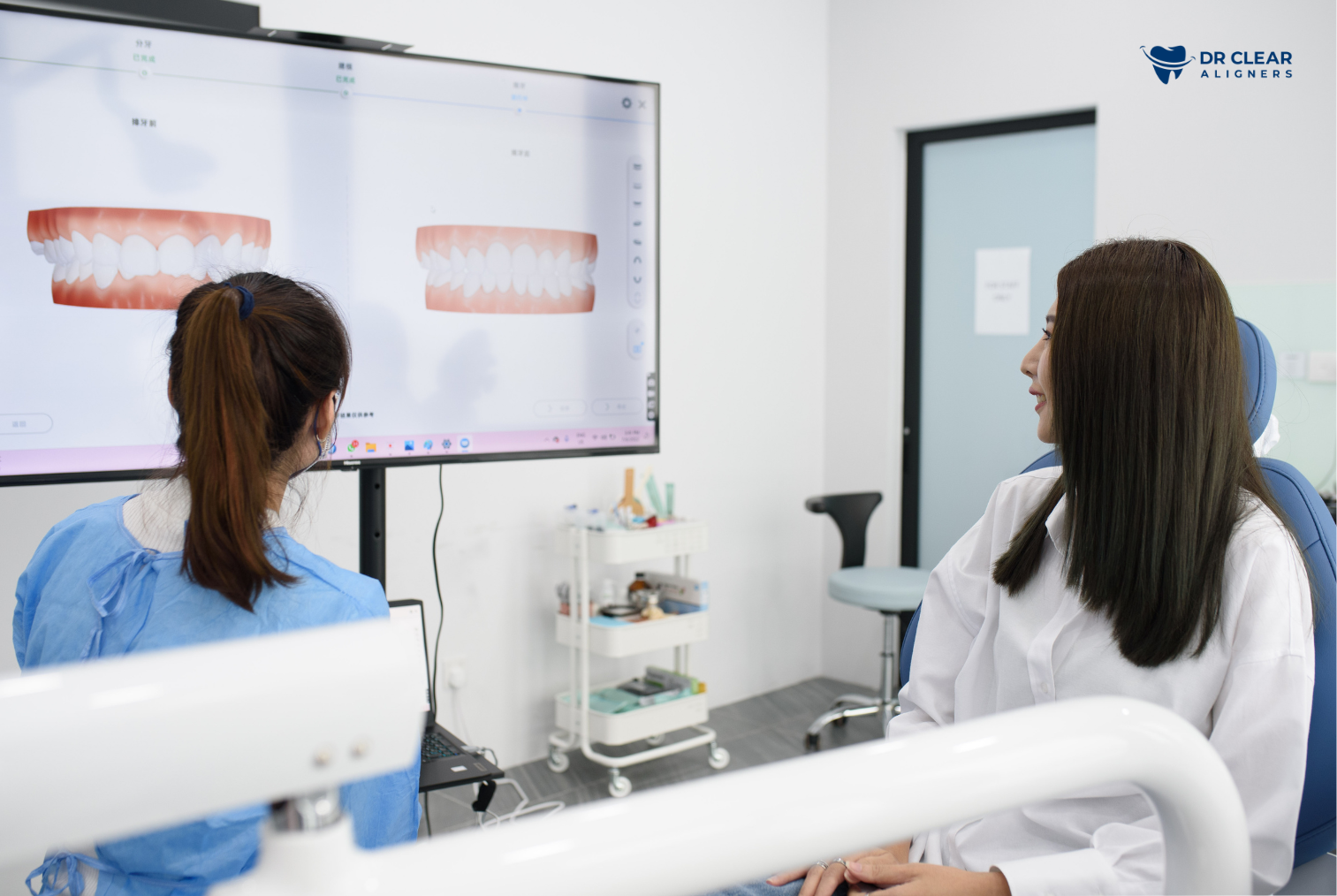
Digital planning software allows dental professionals to review dental records and explore proposed tooth movements in a virtual environment.
Artificial intelligence can also support selected aspects of this process, such as analysing digital dental models, identifying individual teeth, and assisting with the proposed sequence of movements.
Depending on the system used, digital planning may support:
- Reviewing the initial position of individual teeth
- Identifying proposed tooth movements
- Planning different stages of teeth straightening
- Considering alignment and bite requirements
- Reviewing and adjusting the proposed plan
AI and digital software are supporting tools rather than replacements for professional judgement. A dental professional must consider your individual needs, oral health, and the limitations of tooth movement before determining a suitable approach.
4. Visualising Your Smile Before Starting
Another feature of modern digital dentistry is the ability to visualise proposed changes to teeth alignment before starting the teeth-straightening process.
Digital smile simulations can provide a visual representation of planned tooth movements, helping you better understand how your teeth may gradually change throughout the journey.
This may also make it easier to discuss your smile goals, proposed movements, and expectations with your dental provider.
Good to know: A digital smile simulation represents a proposed outcome, not a guaranteed result. Actual progress may vary depending on individual biological response, dental health, consistency of appliance wear, and adjustments made along the way.
Different alignment and bite concerns may also require different approaches. Learn more in our guide on whether clear aligners may help with bite problems.
Curious About Modern Teeth-Straightening Options?
Explore whether clear aligners may suit your teeth alignment needs, lifestyle, and smile goals.
Start Your Smile Assessment
5. How Digital Technology Supports Modern Invisible Aligners
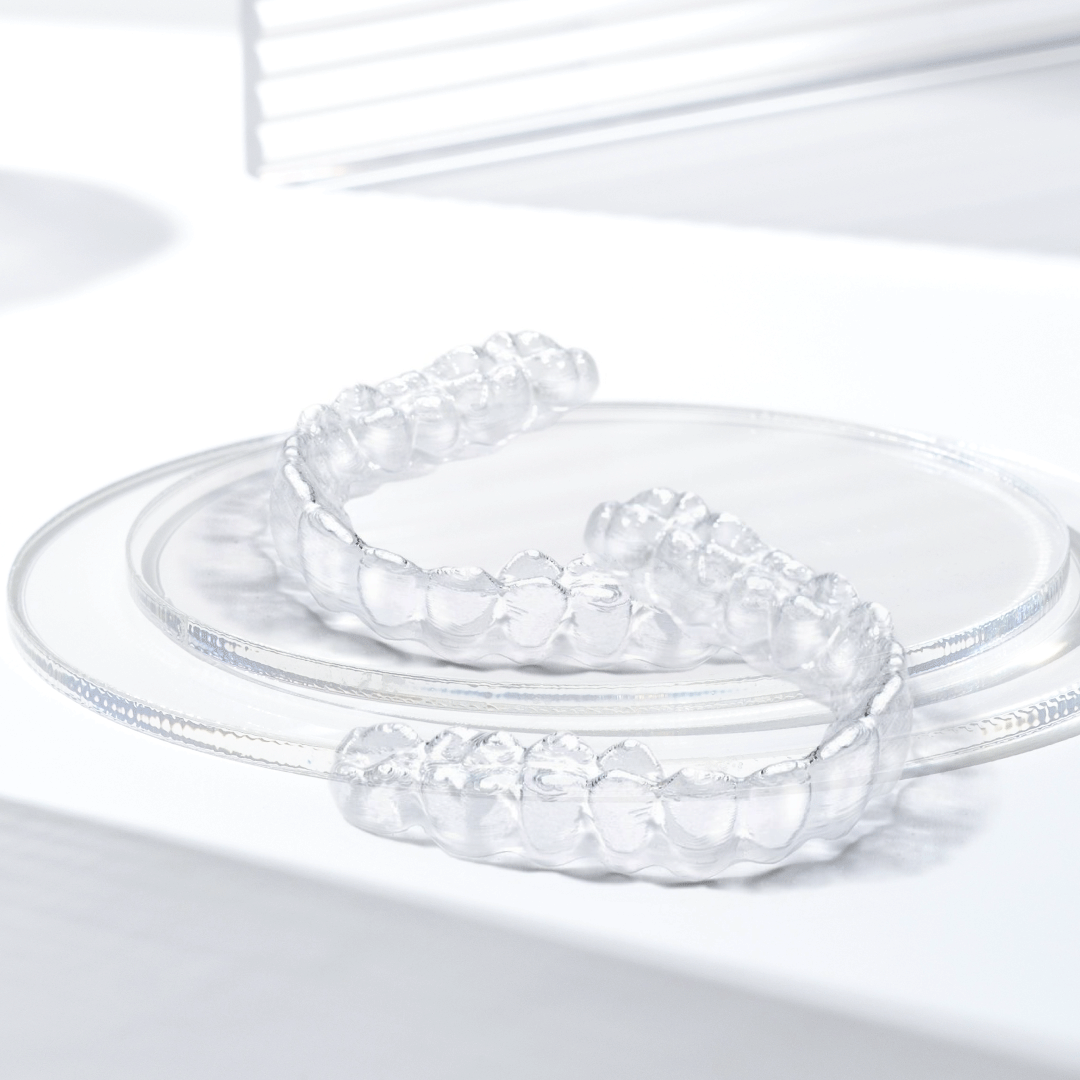
One example of how digital technology has influenced modern teeth straightening is the development of invisible aligners, also commonly known as clear aligners.
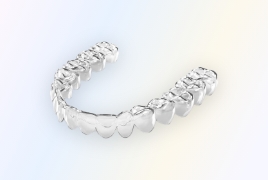
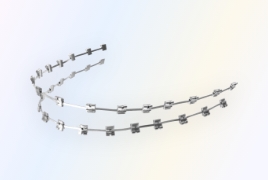
Unlike traditional metal braces, which use fixed brackets and wires, clear aligners use a personalised series of transparent, removable trays designed to guide teeth through planned stages of movement.
Once the digital plan has been professionally reviewed and approved, the information can be used to support the manufacturing of individual aligner stages.
Each aligner is shaped to correspond with a particular stage of the plan. As you progress through the series, the aligners apply controlled forces to guide selected tooth movements.
Combining Digital Planning with Aligner Material Technology
Digital planning is only one part of the process. The materials used to manufacture clear aligners also play a role in their design and intended function.
At Dr Clear Aligners, digital planning and personalised aligner design work alongside material technology such as ClearFlex™, developed with flexibility, durability, and everyday wear in mind.
Together, these elements support a personalised approach to teeth straightening under professional guidance.
If you are interested in the science behind gradual tooth movement, our guide on how clear aligners work explains the process in more detail.